What a custom home actually costs in Scottsdale
Cost per square foot is the first number everyone asks for and the least useful one we can give. Here is what actually drives the price.
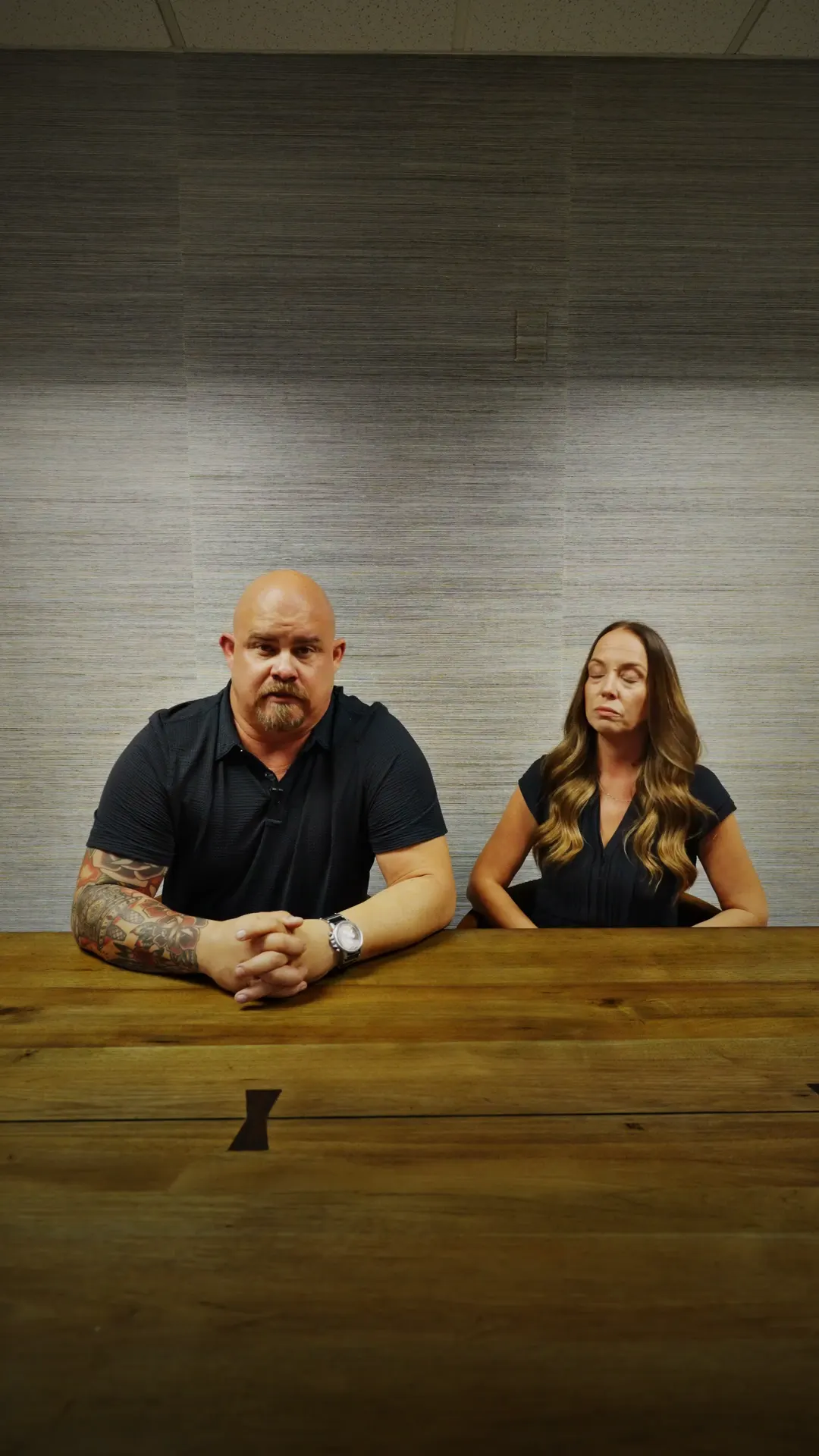
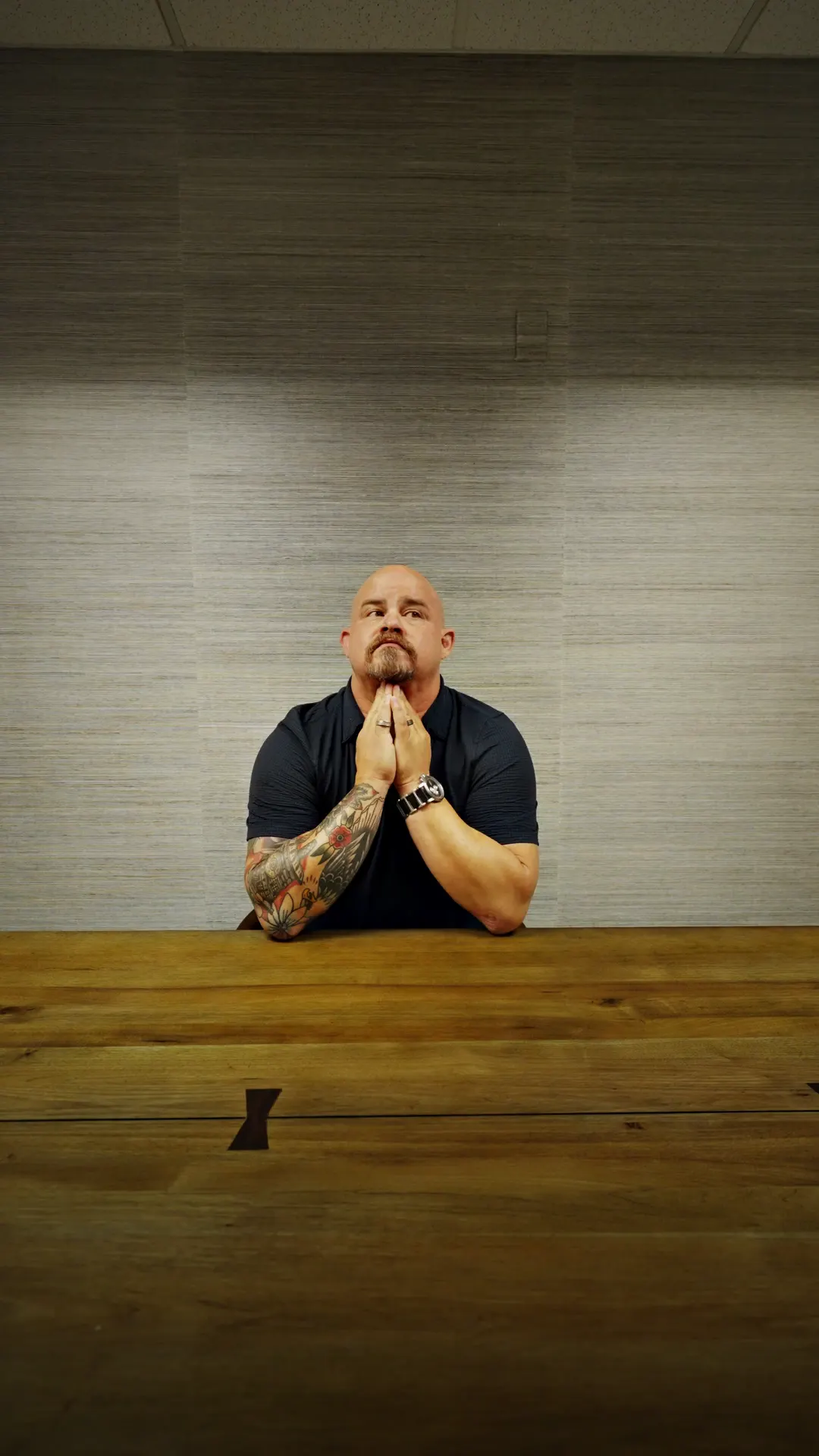
The first question in almost any builder meeting is some version of this: what do you charge per square foot? It is a fair question. It is also the number we trust least, and the two videos above are Nick explaining why.
The numbers people quote
Start with the national picture. The National Association of Home Builders tracks what custom homes cost to build. For custom homes started in 2025, the median contract price was $171 per square foot, not counting the lot, according to NAHB's analysis of Census data. That is a national median across every kind of custom home, in every market.
Nobody building in Paradise Valley or North Scottsdale should plan around that figure. Local numbers run far higher. One Paradise Valley builder, quoted by Hoodline in October 2026, put custom building and luxury renovation there at roughly $650 to $1,300 per square foot, and complex hillside builds as high as $2,000. Treat that as one builder's range, not a survey. But it shows how wide the spread is, even inside one town.
A spread of $650 to $2,000 on the same street tells you something. The square-foot number is not describing the house. It is describing a pile of decisions that have not been made yet.
Why square-foot averages mislead
A square-foot price is an average. It takes the most expensive rooms in a house, the kitchen, the primary bath, the wall of glass facing the view, and blends them with closets, hallways, and the garage. Change the mix and the average moves, even when nothing about the quality changed.
- A smaller home with the same kitchen and baths costs more per foot, not less.
- Glass, steel, and long spans cost more than framed walls with standard windows.
- A flat lot with utilities at the street is a different job from a hillside lot that needs retaining walls, deep foundations, and a long driveway.
- Finishes swing the number more than anything. The same room can be finished in a basic porcelain tile or a book-matched stone slab.
- Outdoor living, pools, and site work often sit outside the quoted number entirely.
So when two builders give you two square-foot numbers, you usually are not comparing prices. You are comparing assumptions. One of them may have assumed your finishes. The other may have assumed theirs.
The land comes first
Nationally, the finished lot was 13.7 percent of the average new home's sales price in NAHB's most recent Cost of Constructing a Home survey, and construction was 64.4 percent. That national split does not hold in the neighborhoods we work in. In Paradise Valley, local reporting now describes sales where the land is worth more than the house standing on it.
The land also drives the construction cost, which is Nick's point in the second video. Slope, soil, access, setbacks, hillside rules, utilities, and what the community's design review will approve all shape what you can build and what it takes to build it. We want to see the lot, or at least the survey, before we talk about numbers.
How we price a home
We do not apply a square-foot average. We price the home you are actually building, room by room and selection by selection. That means real quantities from the drawings, real numbers from the trades who will do the work, and allowances that match the finishes you want, not placeholders that make the first number look good.
It takes longer than handing over a per-foot figure. It also means the number you sign is a number you can build to. When we get in early with your architect and designer, the budget grows up with the drawings instead of arriving as a surprise at the end. We wrote more about that in why your builder should meet your architect early.
What our projects range
Our projects run from about $1 million to $20 million. Where your home lands depends on the land, the design, and the selections, which is why we would rather talk through those than quote a number blind.
If your budget is under $1 million, we are probably not the right builder for you, and we would rather say so now. That is a filter, not a gate. It is about where we can do our best work, not about who deserves a good builder.
If you are in the range and want a real conversation about your lot and your plans, start here. For what pushes a budget over once construction starts, see how to evaluate a custom home builder.