
What actually pushes a custom build over budget
Budgets rarely break on the big numbers everyone looks at. They break on decisions made after the contract is signed.
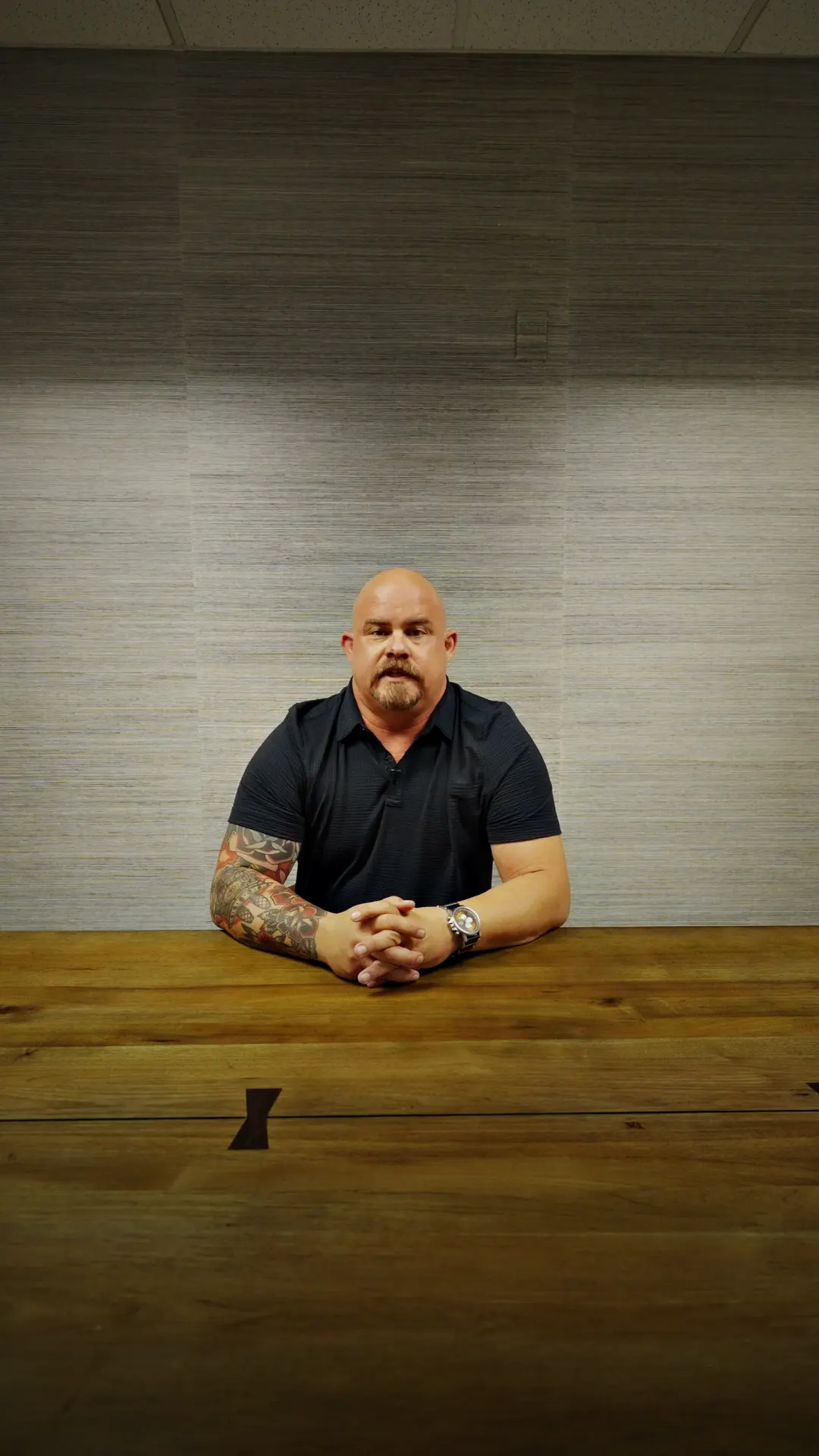
When a custom build goes over budget, people look for one big mistake. A foundation that cost twice what it should have. A framing number that was wrong. That happens, but it is not usually the story. The big, visible line items get the most attention during bidding, so they tend to hold.
What breaks a budget is quieter. It is a long run of decisions made after the contract is signed, each one reasonable on its own, that add up. Nick puts it simply in the video above: budgets get expanded past what people thought they were getting into. Here is where that happens, and what we do about it.
Selections made late
Cabinets, stone, glazing, and lighting are the usual suspects. They are some of the most personal choices in a house, so they are the ones people put off. The contract carries an allowance for each. Then the real selection gets made months later, often after seeing something better, and it costs more than the allowance.
The overage on any one item can look small. Across a whole house it is not. Late selections cost time as well. Custom cabinetry, slab stone, and large window and door packages can take a long time to make and ship. Choose them late and the schedule waits on them, and a crew waiting is a cost too.
Changes after the walls are open
Moving an outlet on a drawing costs nothing. Moving it after rough electrical is in means new wire, another inspection, and patching. Plumbing is the same, and usually worse. Relocate a sink, a shower, or a tub after rough plumbing and you are cutting into finished work and paying trades to come back.
Most of these are small requests. A light moved here, a second sink there. Each one sends work backward, and that is where the money goes. The cheapest time to change a house is on paper.
What the ground hides
Some costs are found, not chosen. Excavation can turn up rock, poor soil, old fill, buried debris, or utilities that are not where the records say. Any of them can change the foundation, the grading, or the schedule. On a renovation, the same thing lives inside the walls: old wiring, past work that was not done to code, or framing that is not what the drawings showed.
Nobody can promise there is nothing in the ground. What a builder can do is look early, name the unknowns in writing before you sign, and carry a realistic allowance for them instead of a number designed to look low.
Scope that grows room by room
This is the most common cause, and the easiest to understand. Partway through a build you see the house standing, and the ideas come. A bigger patio. A wine room where the storage was going to be. A finished space over the garage. Nick says it in the video: there are always things you could add.
Adding is fine. It is your house. The trouble starts when it happens without anyone tracking what it does to the total. When a client brings us something new, the team gets together, works out the best way to get it done, and tries to keep it inside the budget. But scope outside the original plan adds cost, and we would rather say that plainly before the work than explain it after.
How we keep the budget honest
None of these causes is unusual, so the prevention is not complicated. It is mostly about timing, and it is the same method we lay out on our process page.
- Decisions get made in preconstruction. Permits, engineering, trade scopes, and the selection schedule are worked out before construction starts, so choices are made before they can hold up the field.
- The budget is built room by room and selection by selection. We price the home you are actually building, not a square-foot average, so each allowance matches the finish you actually want.
- The budget grows up with the plan. We get in with your architect and designer while the drawings are still conceptual, so cost is part of the design conversation instead of a number that arrives after it.
Nick calls it the core three: your builder, your architect, and your interior designer, all involved before anything starts. When those three are at the table early, most of the decisions that break budgets get made on paper, where they are cheap to change.
Where the number starts
An overrun is measured against the number you started with, so that number has to be real. If it was built from a square-foot average, it was never describing your house, and the gap shows up later as change after change. We explain how a real number gets built in what a custom home actually costs in Scottsdale.
A budget does not have to break. It has to be built from real decisions, made early, and then protected through the build. If you are starting to plan, start a conversation.